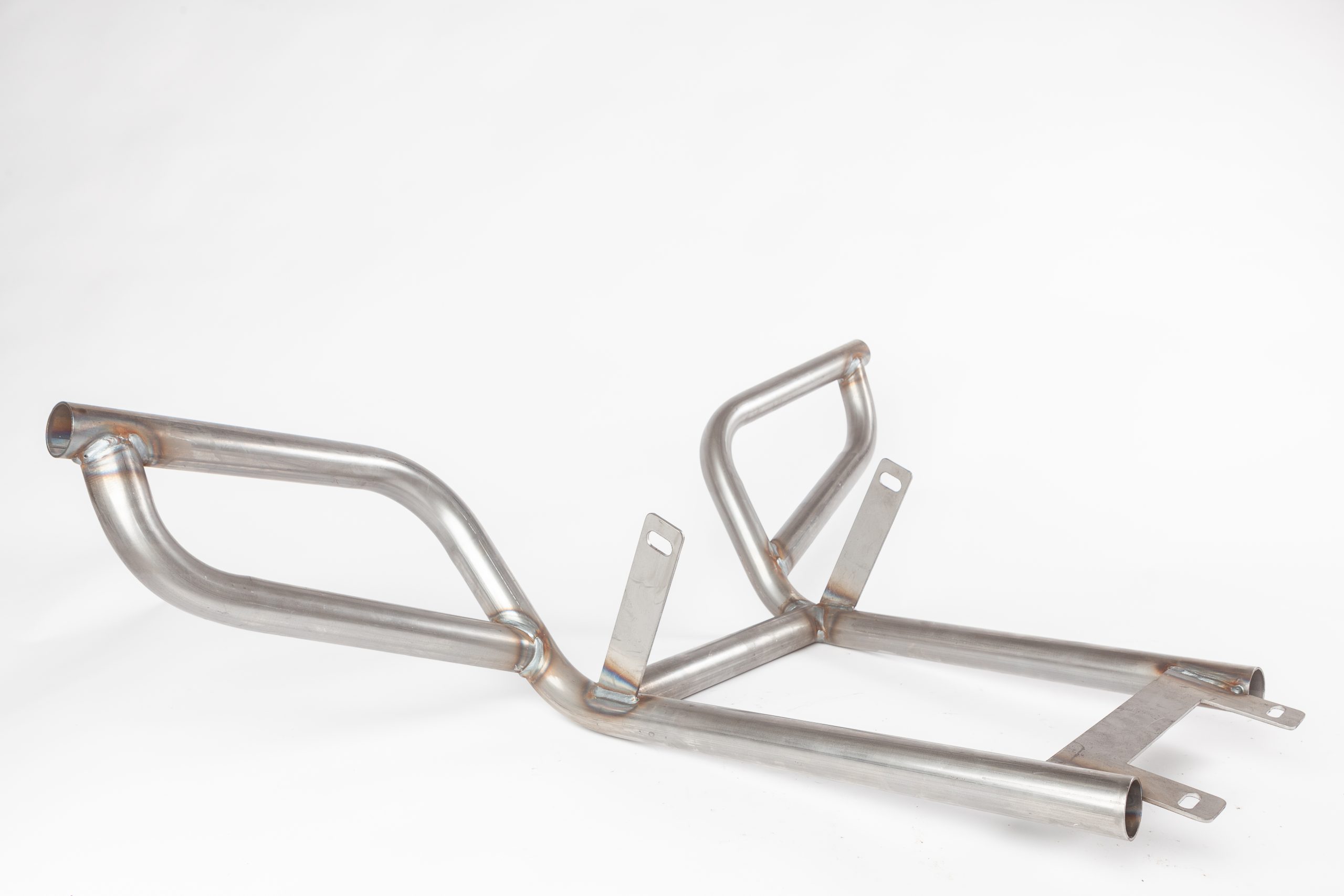
The right welding process depends on the material, thickness, expected finish, production pace and function of the part. MIG welding, TIG welding and laser welding do not serve the same need.
There is no single ideal process for every project. A visible part does not have the same requirements as a functional support. A thin part does not behave like a heavier structure. A small run is not prepared like repeat production.
Here is how to compare the processes without using a table, simply by looking at the criteria that matter.
Summary
- MIG welding is often chosen for versatility and productivity.
- Laser welding is relevant when the most aesthetic joint appearance is a priority.
- TIG welding remains useful when manual control and precision are important.
- The final choice should be validated according to the material, geometry and intended use.
Why does the welding process change the result?
The welding process influences appearance, distortion, preparation, production pace and sometimes even the part design. Choosing too quickly can create problems later.
A visible furniture assembly may require a very clean finish. A medical component may require consistency. An industrial part may prioritize strength and repeatability. In every case, the right process depends on the expected result.
The choice should also consider the steps before and after welding. Cutting prepares the parts. Tube bending or sheet metal bending changes the geometry. Finishing can reveal or hide certain details. Welding sits at the center of that chain.
A technical discussion therefore helps choose the process based on the full project, not only on an initial preference.
How can you compare MIG, TIG and laser welding without a table?
MIG welding is generally associated with versatility and production. It can be a good choice for many metal assemblies, especially when the desired finish is not as delicate as a highly visible joint.
Laser welding is often chosen when the goal is to obtain the cleanest and most aesthetic weld appearance, provided the part preparation and geometry are suitable.
TIG welding remains relevant for precision, manual control and certain visible parts, especially on stainless steel or aluminum. It does not automatically replace the other processes.
The real comparison should therefore start with the part, not with the process.
When should you choose MIG welding?
MIG welding is often relevant for production assemblies where versatility and pace matter. It can suit structures, supports, frames or parts whose main objective is functional.
This process is appreciated because it fits well into many manufacturing contexts. It can weld different assemblies with good productivity, depending on the material and preparation.
However, the desired appearance still needs to be validated. If the weld bead is visible on a higher-end product, the expected finish level may influence the process choice or the steps after welding.
MIG welding can therefore be an excellent choice, but it should be selected according to the final use of the part.
When should you choose TIG welding?
TIG welding is often chosen when manual control and precision are important. It can be relevant for more delicate assemblies or materials such as stainless steel and aluminum.
In furniture, medical or specialized products, the joint may need careful attention. TIG welding allows close control of the bead and the welded area, but laser welding should be considered when the cleanest visual result is the main priority.
This process can require more time depending on the project. It should therefore be chosen when its advantages justify its use.
If a part is visible, handled or associated with a high-quality product image, laser welding often deserves consideration when the geometry and preparation fit. TIG can remain useful when manual control is more important.
When should you choose laser welding?
Laser welding can be interesting when the part is well prepared, the joints are consistent and heat input must be controlled. It can suit certain thin or repeatable parts.
Its value often comes from the fineness of the process. In a suitable project, it can help produce the most aesthetic weld appearance, with clean assemblies and a more limited heat-affected area than other processes.
However, it is important not to say that laser welding always replaces MIG or TIG. Part preparation, access, thickness, material and geometry remain decisive.
The best approach is to have the part evaluated by the technical team.
How does the material influence the choice?
Material is a central factor. Steel, stainless steel and aluminum do not react the same way to heat, preparation and finishing.
Thickness also matters. A thin part, visible part and structural part do not require the same approach. Joint design, welding access and part cleanliness also influence the result.
If the part must be painted, polished, plated or otherwise finished, the welding should be planned with that step in mind. One welding choice can make finishing easier or harder.
The question is not only which process is best. The right question is which process fits this part.
What mistakes should you avoid?
The first mistake is choosing a process only because it is familiar. A familiar process is not always the best process for the part.
The second mistake is neglecting preparation. Even the right process can produce a disappointing result if the parts are poorly cut, poorly fitted or difficult to access.
The third mistake is treating finishing as a separate step. On a visible part, welding and finishing need to work together.
Finally, avoid asking for a solution without explaining the use. A decorative part, medical part and industrial support are not judged by the same criteria.
FAQ
Which welding process should be used for aluminum?
Aluminum can be welded with different processes depending on thickness, geometry, expected appearance and part function. TIG welding is often considered for visible joints, but the right choice should be validated based on the complete project.
Which welding process gives the best visible finish?
Laser welding is often preferred when weld bead appearance is the main priority. That said, the final finish also depends on preparation, access, material and the steps after welding. A visible part should be discussed before production.
Does laser welding replace TIG welding?
Not always. Laser welding can be relevant in certain projects, especially when parts are well prepared and the geometry fits. TIG remains useful when manual control, appearance or certain material constraints are priorities.
Which process should be chosen for thin parts?
Thin parts require careful attention to heat input, distortion and joint preparation. Laser welding can be interesting in some cases, but TIG or other approaches may also fit depending on the part.
Conclusion
Choosing between MIG, TIG and laser welding requires an understanding of the part, its use, material and finish. No process wins everywhere. The right choice is the one that serves the final product.
To prepare your project, share your plans, material, part use and finishing expectations. Bourgneuf can help you choose the most coherent welding process.